

Toronto Police Genealogists win Forensic Science Award at IACP Conference
Three Toronto Police Service genealogists won a prestigious award at the International Association of Chiefs of Police (IACP) annual conference in Denver while five other TPS members asked to present on several topics, including antisemitism, victim’s services, disinformation and viral social media engagement.
On Tuesday night, three Toronto Police Service genealogists, Lauren Robilliard, Christina Lauritsen and Susan Page won the IACP August Vollmer Leadership in Forensic Science Award for playing a pivotal role in more than 100 investigations. The genealogists in the Homicide and Missing Persons Unit use innovative techniques in genetic research and family tree analysis, often using DNA evidence, to help crack cold cases.
Their work has helped solve complex criminal cases by identifying suspects and human remains and have provided leads that would have otherwise been impossible to obtain.
Their work has resulted in solving 52 Investigative Genetic Genealogy Cases in partnership with 14 other Ontario Police Services. They have also collaborated with national and regional agencies and outside police services, including the RCMP, enhancing cross-border criminal investigations and ensuring a broader impact.
“This international recognition for the extraordinary work of these TPS genealogists reflects their dedication, expertise, and invaluable service to law enforcement and is proof in the power of collaboration and innovation, and our Command Team is so proud of their achievements,” said Chief Myron Demkiw, who serves as Vice-Chair of the IACP’s Global Policing Division Committee to foster international collaboration and integration.
The Toronto Police Service made a significant impact at the IACP conference as five other members were invited to present on several topics including how to prevent disinformation from eroding public trust in police. Chief Superintendent Shannon Dawson explained how strategic disinformation can deceive, harm, or manipulate the communities we serve. Corporate Communications Director Natalie Clancy spoke about the need for rapid response, fact checking and to correct harmful disinformation swiftly and accurately to mitigate threats to public safety; while Strategic Stakeholder Relations Manager Brian Moniz spoke about strategies to foster community trust and engagement through transparency; and educate the public about disinformation while promoting resilience and critical thinking.
Inspector Paul Rinkoff, who has a PhD in Policy Studies and a Master’s in Leadership Studies, was joined by Johanna Herman, Director of Friends of Simon Wiesenthal Center for Holocaust Studies Canada to share how they collaborated to develop an online training program designed to address the rise in hate crimes, hate-motivated incidents, and antisemitism. Rinkoff explained how uniting law enforcement professionals with a community-based organization leverages diverse perspectives and expertise to create an effective and relevant training solution.
Chief Superintendent Kelly Skinner and Victim Services Toronto CEO Carly Kalish presented a transformative model called Exit Route, which embeds Neighbourhood Victim Advocates directly within Toronto Police divisions and specialized units. This arms-length collaboration has led to measurable reductions in intimate partner violence, improved victim engagement with the justice process, and enhanced community trust. TPS’s commitment to trauma-informed, culturally responsive support demonstrates how independent yet integrated partnerships can strengthen public safety and deliver better outcomes for victims. The presentation emphasized that ‘cared for victims close cases,’ and encouraged other jurisdictions to replicate this effective model.
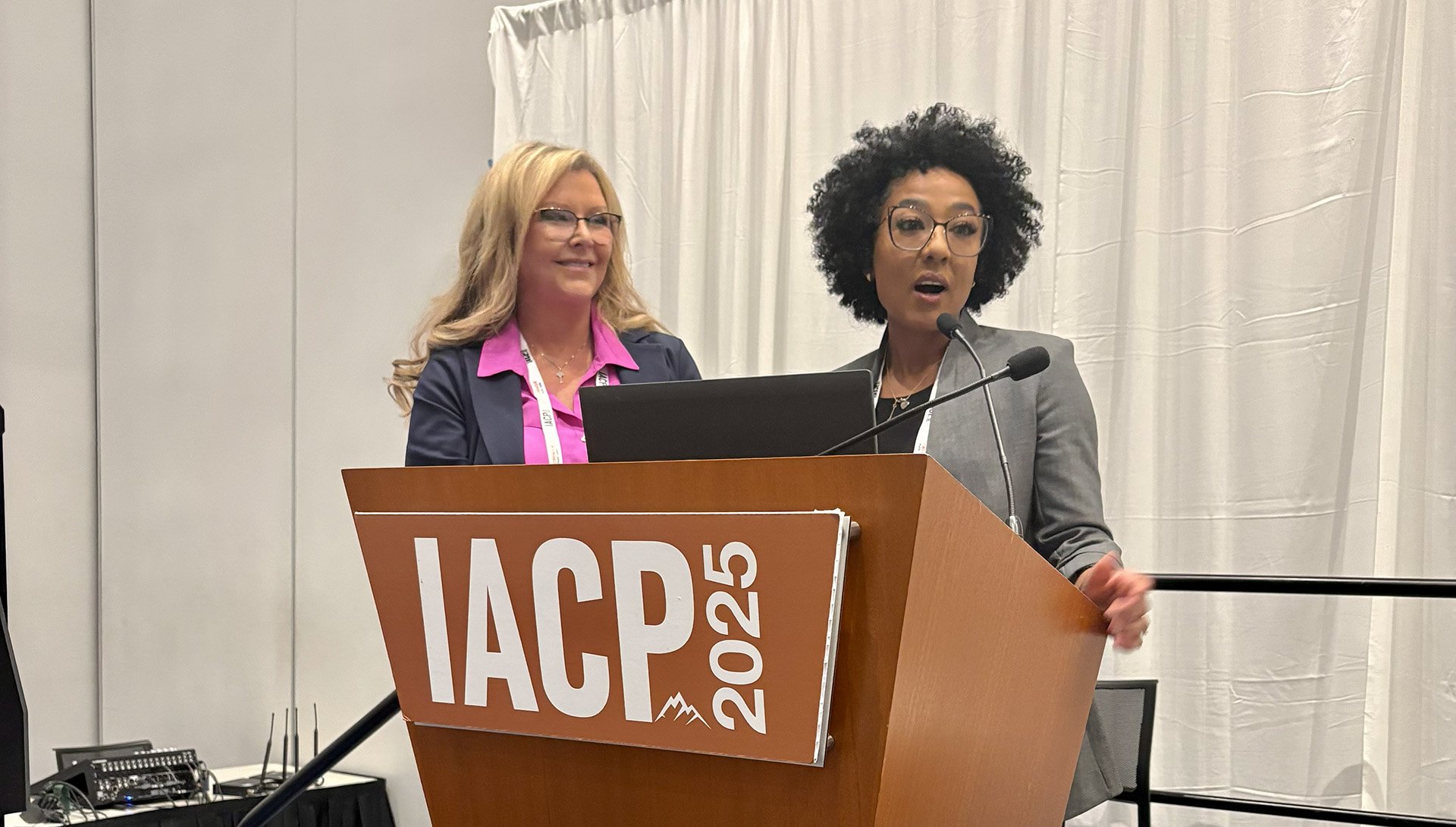
Chief Supt. Skinner also joined Natalie Clancy to present a case study on how TPS generated viral social media engagement with millions of Taylor Swift fans. The strategy came from Senior Communications Advisor Ashley Hammill, a “Swiftie” herself who suggested frontline officers and even Chief Demkiw should exchange friendship bracelets with fans. When Hammill put oversized bracelets on horses from the Mounted Unit, Swift’s top social influencers went wild, propelling the moment to viral status—generating nearly a billion impressions and tens of millions of dollars in earned media coverage across the globe. Skinner explained how she and other TPS women leaders also saw a recruiting opportunity. 25 officers and civilians, including Deputy Chief Lauren Pogue visited with “Swifties” outside Rogers Centre and inside the Tayl-gate fan zone to encourage them to consider a career in policing. While she can’t attribute this as a direct result, Skinner said the fact is applications from women doubled after the eras tour.
The presentation was covered by Police 1 - read the article.